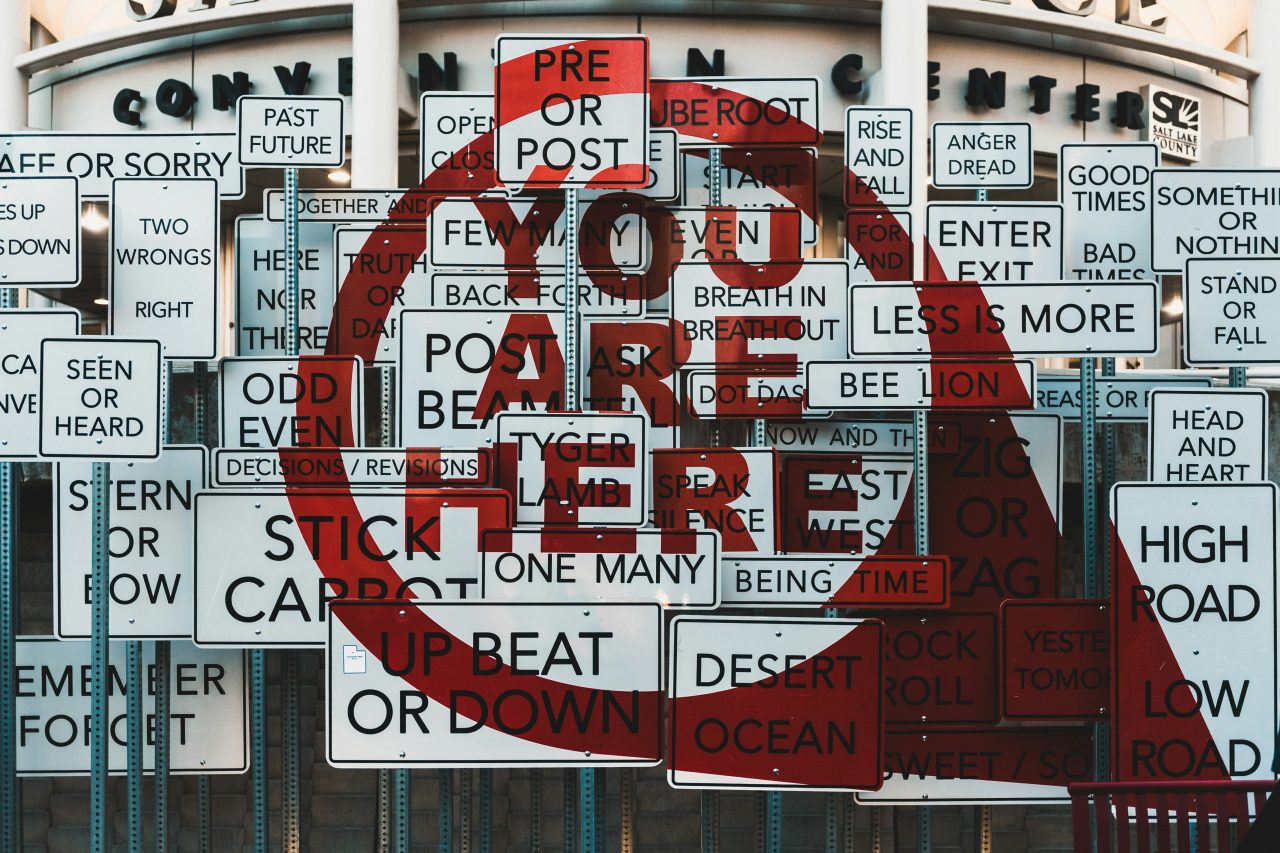
There is a line in Apple TV’s Lucky. “Wherever you go, there you are.”
It is said by an older, more world-weary character to a younger one who is trying to leave a life behind and become someone else entirely. The older woman is not gentle about it. You are not trying to escape a place, she tells her. You are not even trying to escape the life. You are trying to escape who you are.
It sounds almost too simple to be worth repeating. Of course you are wherever you go, where else would you be. But the line is not really about geography. It is about a very specific kind of self-deception, the belief that a new city, a new job, a new relationship, or a new version of your calendar will finally produce the change you have been waiting for, without you actually having to change anything about how you operate inside it.
A pattern with a name
Therapists have a term for this: the geographic cure. The pattern of believing that relocating, physically or otherwise, will resolve something that is actually internal. Change the zip code, the job title, the team, the city, and the problem will be left behind along with the old address.
None of this is an argument against changing scenery itself. Moving genuinely can widen your perspective, sharpen your cultural fluency, and change how you see your own habits by putting them next to someone else’s entirely different ones. That value is real, well documented, and in my experience one of the most reliable ways to grow. The geographic cure is a narrower, more specific trap: expecting the location itself to do the internal work for you, instead of using the new vantage point to actually see and do that work. Those are two different claims, and it is worth not confusing them.
The research on the narrower version is fairly blunt about it. Psychologist Daniel Kahneman found that people consistently overestimate how much a new environment will improve their life satisfaction on its own, a bias he called the focusing illusion. We fixate on the visible, easily imagined differences, better weather, a nicer office, a more exciting city, and assume those differences alone will matter more than they actually do. Change plus a new perspective tends to deliver. Change alone, without anything shifting in how you operate, tends not to.
There is a related concept called the arrival fallacy, the belief that reaching a specific milestone, the move, the promotion, the new relationship, will finally deliver the different life you have been picturing, by itself, with no further effort required. The milestone arrives. The picture does not quite follow, not because the milestone was wrong, but because it was never going to do that particular job alone.
The part that fools you
What makes this trap so easy to fall into is that the new environment does genuinely feel different for a while. New routines are exciting. New people do not yet know your habits well enough to notice you repeating them. There is a real, if temporary, lift that comes from novelty itself.
This is worth being careful with, because it sits close to something that is genuinely true and healthy. Some people are built with a real pull toward exploration, new environments, new challenges, and that pull is not a flaw to be corrected. It becomes the geographic cure only when the movement itself is doing the work that should be happening inside the person. The explorer who keeps growing from each new environment is doing something different from the person who keeps changing location hoping the location will finally do the changing for them. From the outside the two can look identical. The difference is entirely in what happens after the novelty wears off.
But underneath the new backdrop, the same decisions are usually still being made the same way. The same conflict avoidance. The same way of reacting under pressure. The same habit of saying yes to things that quietly cost too much. None of that requires a passport or a new job title to travel with you. It just needs you.
What changes, and what just relocates?
This is not an argument against change. Sometimes the environment genuinely is the problem, and leaving it is the right and necessary decision. The mistake is assuming the environment is doing work that only you can do.
Distance is not the measure that tells you which one happened. The people who actually change something are the ones who did something with the distance, used it to see an old habit clearly, tested a different way of reacting, brought something back and kept it. Sometimes that requires going very far. Sometimes it does not require moving at all. The habit of speaking up. The habit of setting a boundary. The habit of noticing the same pattern early instead of waiting for it to become a crisis again. Those travel with you, or they do not, regardless of how many kilometres were involved in getting there. A new office does not install them for you. But a new country, used well, absolutely can help you finally see them.
Before you pack
This is not about whether you should make the change you are considering. Sometimes you absolutely should. The question is whether you are hoping the change itself will do the work, or whether you are prepared to bring the same version of yourself into the new room and do the work there too.
Because wherever you go, there you are. And there you will keep being until something other than the address changes.